Conference Info
Academic Discussions Forge New Frontiers, Themed Salons Fuel Industrial Innovation: Highlights Review of the 2026 FENDT Forum
Overview
As a core academic segment of the 2026 FENDT Forum, this year’s event featured 13 high-level special presentations, including 9 Plenary speakers, 2 exclusive special achievement presentations for Recipients of the Special Award for China Innovation, and 2 exclusive special achievement presentations for Recipients of the Climbing Award. The series built an international professional exchange platform for young and middle-aged authoritative scholars and frontline technical specialists across the global nondestructive testing industry. It invited top domestic and international research teams to share cutting-edge technologies and conduct in-depth academic discussions, with multi-dimensional exchanges centered on core themes including technological breakthroughs, industrial transformation, and inspection equipment R&D.
The event roster assembled a prestigious lineup of disciplinary leaders and technical experts from well-known domestic and overseas universities, research institutes, and industry-leading enterprises. Distinguished speakers included Prof. Lu Chao from Nanchang Hangkong University, Prof. Hoon Sohn from Korea Advanced Institute of Science and Technology (KAIST), Researcher Zhang Zhaotian from Information Department of National Natural Science Foundation of China, Prof. Dong Shaohua from China University of Petroleum (Beijing), Prof. Tomás Gómez Álvarez-Arenas from the Spanish National Research Council, Associate Prof. Fan Zheng from Nanyang Technological University, Singapore, Prof. Liu Bin from Shenyang University of Technology, Prof. Ferruccio Renzoni from University College London, Prof. Helena Ramos from the University of Lisbon, Portugal, Prof. Chen Hongen from Xi’an Jiaotong University, Senior Engineer Liu Zhinan from Atami Intelligent Equipment (Beijing) Co., Ltd.; Prof. Liu Zenghua from Beijing University of Technology, and Prof. Hu Bo from Nanchang Hangkong University. Their expertise covered university research, national funding administration, oil & gas, new energy, high-end equipment, intelligent inspection hardware, and other key sectors.
All speakers addressed prevailing industry frontiers and focused on core directions of NDT technological breakthroughs, application innovation, and equipment development. They delivered comprehensive, in-depth professional presentations covering key subfields such as electromagnetic inspection, ultrasonic phased array testing, 3D imaging inspection, structural health monitoring, and R&D of intelligent NDT instruments. A wealth of forward-looking, detailed academic findings with inspiring and practical engineering value were shared, comprehensively driving technological iteration, innovative upgrading and high-quality development of the NDT industry.
Section 1 Plenary Speakers
Plenary speaker 1
Prof. Lu Chao, Forum Chair from Nanchang Hangkong University, delivered the opening keynote presentation titled Dynamic Ultrasonic Measurement Technology for Bolt Preload of Aero-Engines and Its Research Progress. The report targeted core precision inspection bottlenecks in high-end aerospace equipment, fully demonstrating the pivotal value of NDT technologies in high-end equipment manufacturing. It kicked off the full series of academic presentations and set a benchmark of high standards and rigorous research for all follow-up seminars.
.jpg)
Dynamic Ultrasonic Measurement Technology for Bolt Preload of Aero-Engines and Its Research Progress (Prof. Lu Chao)
Plenary speaker 2
Prof. Hoon Sohn from the Korea Advanced Institute of Science and Technology (KAIST) delivered a presentation titled Commercialization of Emerging NDT Technologies: Have We Reached Our Goals? Centered on the industrialization pathway of innovative NDT technologies for civil engineering, the lecture systematically reviewed the commercialization journey of NDT solutions based on the speaker’s decades of experience in technology transfer. In-depth discussions were carried out regarding core pain points, industrialization barriers, and future development trends of technical transformation in the sector.
.jpg)
Commercialization of Emerging NDT Technologies: Have We Reached Our Goals? (Prof. Hoon Sohn)
Plenary speaker 3
Researcher Zhang Zhaotian, Former Director of the Information Department, National Natural Science Foundation of China, delivered a special presentation entitled Funding Support for Scientific Research Instruments under the National Natural Science Foundation of China. The report systematically reviewed the evolution of the funding framework, project review mechanisms and management models for research instruments supported by the National Natural Science Foundation of China. It highlighted innovative initiatives including joint funding program development and expanded social capital investment channels, facilitating deep integration and mutual empowerment between fundamental research and industrial applications.
.jpg)
Funding Support for Scientific Research Instruments under the National Natural Science Foundation of China
(Researcher Zhang Zhaotian)
Plenary speaker 4
Prof. Dong Shaohua from China University of Petroleum (Beijing) delivered a presentation titled Ultra-High Definition Inline Inspection (ILI) Technology Based on Multi-Sensor Coupling for Modern Pipelines and Its Applications. The lecture introduced an intelligent multi-sensor coupled inspection system integrating ultra-high definition magnetic flux leakage, electromagnetic ultrasonic, eddy current, and acoustic excitation technologies. The system enables high-precision localization and quantitative identification of pipeline defects and micro-leakages, with technical outcomes widely deployed in critical scenarios including long-distance oil & gas transmission pipelines, urban gas pipe networks, and chemical pressure pipelines.
.jpg)
Ultra-High Definition Inline Inspection (ILI) Technology Based on Multi-Sensor Coupling for Modern Pipelines
and Its Applications (Prof. Dong Shaohua)
Plenary speaker 5
Prof. Tomás Gómez Álvarez-Arenas from the Spanish National Research Council delivered a presentation titled Non-Contact Multi-Modal Ultrasonic Inspection of Batteries and Battery Components. The report systematically elaborated ultrasonic signal inversion inspection methods for critical battery parameters including separator thickness, density, porosity and pore size. It further explored the application mechanism of Lamb waves in NDT of battery electrodes and showcased multiple experimental verification results, offering novel technical routes for precise nondestructive evaluation of new energy batteries.
.jpg)
Non-Contact Multi-Modal Ultrasonic Inspection of Batteries and Battery Components (Prof. Tomás Gómez Álvarez-Arenas)
Plenary speaker 6
Associate Prof. Fan Zheng from Nanyang Technological University, Singapore, delivered a presentation entitled Ultrasonic Techniques for Characterizing Complex Materials: From Heterostructures to Energy and Advanced Manufacturing Systems. Focusing on cutting-edge ultrasonic inspection technologies for complex engineering materials, the lecture elaborated refined identification methods for material micro-states, structural defects and performance evolution based on ultrasonic propagation velocity, attenuation characteristics, scattering laws, frequency signatures, guided wave behaviors and wavefield evolution mechanisms.
.jpg)
Ultrasonic Techniques for Characterizing Complex Materials: From Heterostructures to Energy and Advanced Manufacturing Systems (Associate Prof. Fan Zheng)
Plenary speaker 7
Prof. Liu Bin from Shenyang University of Technology delivered a presentation titled Magnetic Stress Inline Inspection (ILI) Technology for Composite Defects in Long-Distance Oil & Gas Pipelines and Its Applications. Aiming at composite damage challenges including stress corrosion cracking and hydrogen embrittlement of oil & gas pipelines, the research investigated signal characteristics where macroscopic defects coexist with microscopic stress damage. It broke through key technical bottlenecks covering composite defect signal recognition, decoupling analysis and precise quantification, and improved the accuracy and reliability of in-service inspection for long-distance transmission pipelines.
.jpg)
Magnetic Stress Inline Inspection (ILI) Technology for Composite Defects in Long-Distance Oil & Gas
Pipelines and Its Applications (Prof. Liu Bin)
Plenary speaker 8
Prof. Ferruccio Renzoni from University College London delivered a presentation titled Through-Wall Electromagnetic Induction Imaging with Atomic Magnetometers: A New Tool for Nondestructive Testing. The report summarized the latest research progress of atomic magnetometer-based through-wall electromagnetic induction imaging, analyzed the inspection strengths of this technology under complex obscured and barrier-covered conditions, and outlined the development roadmap for its engineering transformation, equipment development and scenario-based deployment.
.jpg)
Through-Wall Electromagnetic Induction Imaging with Atomic Magnetometers: A New Tool for Nondestructive Testing
(Prof. Ferruccio Renzoni)
Plenary speaker 9
Prof. Helena Ramos from the University of Lisbon, Portugal, delivered a presentation titled Depth-Aware Eddy Current Imaging: A Layered Approach for Subsurface Nondestructive Evaluation. The lecture proposed a novel depth-aware eddy current inversion method driven by physical information. Differentiated from conventional surface equivalent reconstruction techniques, the approach introduces a complex depth attenuation factor to realize layered reconstruction of eddy current perturbation inside materials, substantially enhancing evaluation accuracy for subsurface and deeply hidden defects.
.jpg)
Depth-Aware Eddy Current Imaging: A Layered Approach for Subsurface Nondestructive Evaluation (Prof. Helena Ramos)
Section 2 Exclusive Special Achievement Presentations for Recipients of
the Special Award for China Innovation
Presentation 1
Prof. Chen Hongen from Xi’an Jiaotong University, on behalf of the NDT Research Team led by Prof. Chen Zhenmao, delivered a presentation entitled Research Progress on Theories, Technologies and Applications of Electromagnetic Nondestructive Testing for Major Equipment. The report systematically summarized core research achievements of the XJTU NDT team, detailing cutting-edge research and engineering applications including high-precision eddy current probe development, quantitative crack evaluation algorithms, and high-temperature Electromagnetic Acoustic Transducer (EMAT) pipe wall monitoring technology.
.jpg)
Research Progress on Theories, Technologies and Applications of Electromagnetic Nondestructive Testing for Major Equipment
Presentation 2
Senior Engineer Liu Zhinan from Atami Intelligent Equipment (Beijing) Co., Ltd. delivered a presentation titled Pioneer of Intelligent NDT with In-House Multi-Modal Imaging Technology. The report introduced the enterprise’s R&D system for intelligent NDT technologies, with key highlights on multiple domestically developed intelligent inspection equipment and engineering application cases: integrated 3D vision-guided radiographic inspection technology, air-coupled ultrasonic testing for launch vehicle common-bottom propellant tanks, automated Full Matrix Capture (FMC) phased array ultrasonic inspection for large composite structures, and Automated Vision Testing (AVT) intelligent robotic weld inspection systems.
.jpg)
Pioneer of Intelligent NDT with In-House Multi-Modal Imaging Technology
Section 3 Exclusive Special Achievement Presentations for Recipients of the Climbing Award
Presentation 1
Prof. Liu Zenghua from Beijing University of Technology delivered a special presentation titled Research on Laser Ultrasonic Array Imaging Inspection Methods. Targeting technical challenges of fast real-time high-resolution defect imaging and precise quantitative characterization via laser ultrasonic testing, the research developed fast delay-and-sum (DAS) beamforming algorithms with time-frequency domain phase coherence and spatial coherence. Combined with multi-scale principal component analysis, the algorithms effectively eliminate near-surface inspection blind zones and imaging artifacts. Multi-modal bilateral excitation image fusion inspection technology drastically improves imaging precision and inspection quality, providing an efficient and feasible technical solution for large-scale industrial deployment of laser ultrasonic testing in precise identification and quantitative evaluation of micro-defects on metallic structures.
.jpg)
Research on Laser Ultrasonic Array Imaging Inspection Methods
Presentation 2
Prof. Hu Bo from Nanchang Hangkong University delivered a presentation titled Key Technologies and Applications of Quasi-Static Electromagnetic NDT for Defect Evaluation of In-Service Steel Pipelines. Focusing on external inspection challenges for steel pipelines inaccessible to internal inspection tools, the lecture systematically elaborated theoretical research and engineering applications of quasi-static electromagnetic NDT. An accurate eddy current field theoretical model was established to innovate quantitative corrosion detection methods for buried and coated steel pipelines. The team also constructed weak magnetic testing theories for non-ferromagnetic materials and stress-induced magnetization models for stainless steel, enabling precise signal decoupling of multi-source inspection signals under complex operating conditions. A full-set integrated quasi-static electromagnetic inspection equipment was successfully developed, delivering core technical support and domestically manufactured equipment solutions for external inspection, corrosion assessment and safe operation & maintenance of in-service steel pipelines.
.jpg)
Key Technologies and Applications of Quasi-Static Electromagnetic NDT for Defect Evaluation of In-Service Steel Pipelines
Section 4 Themed Parallel Sessions
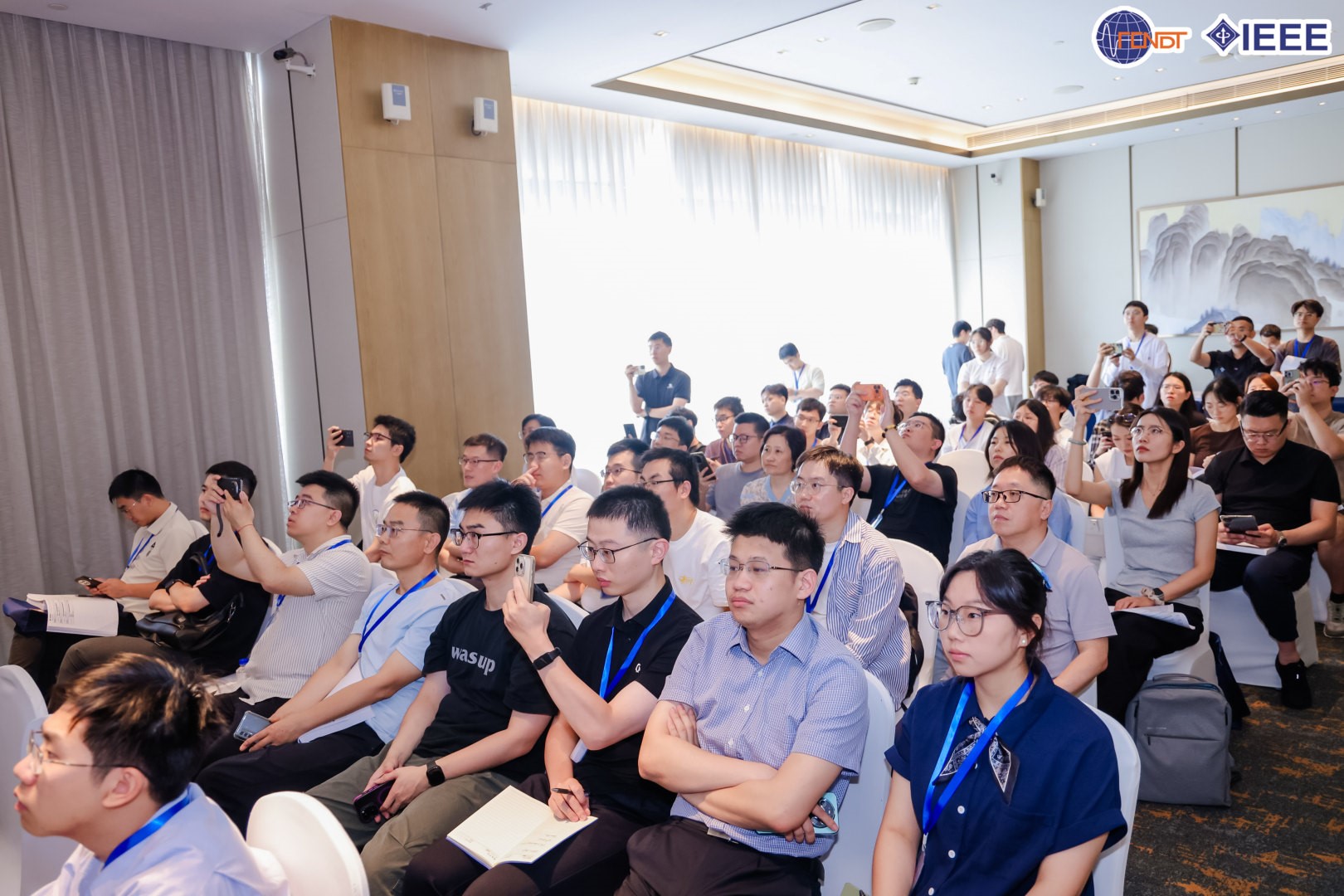
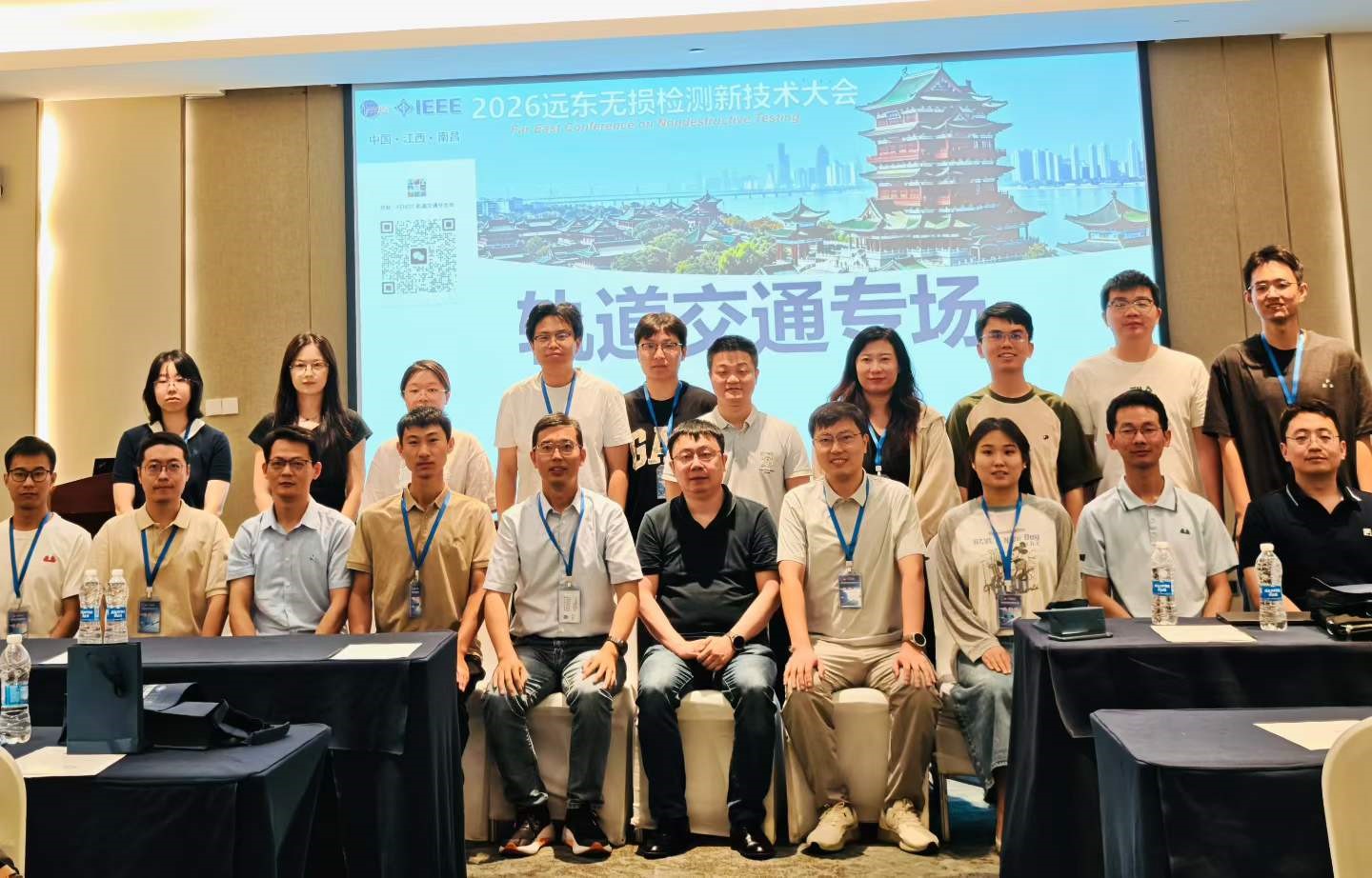
The 2026 FENDT Forum covered a comprehensive spectrum of industry topics with abundant industrial participation, establishing 23 themed parallel sessions as listed below: Parallel Session for Jiangxi, Parallel Session for Electromagnetism, Parallel Session for Photoacoustic and Ultrasonic, Parallel Session for Manufacturing with Control of Residual Stress, Parallel Session for Infrared and Terahertz Waves, Parallel Session for Aeronautics, Astronautics and Composite Materials, Parallel Session for Nuclear Power, Parallel Session for Digital Ray, Parallel Session for Rail Transit, Parallel Session for Petroleum Pipe and Equipment, Parallel Session for Special Equipment, Parallel Session for Nondestructive Testing Standards, Parallel Session for Sensors and Instruments, Parallel Session for AI Non-destructive Testing, Parallel Session for Multi-Array Sensing and Imaging Technology, Parallel Session for Ultrasonic Guided Waves Testing Technology, Parallel Session for Full Focus Phased Array Ultrasonic, Parallel Session for Hydrogen Energy Equipment and Detection Technology, Parallel Session for Advanced Ultrasonic Testing Technology and Equipment, Parallel Session for Steel and Mining, International Parallel Session, On-Line Monitoring.
The forum boasted a robust academic lineup and substantial exchange content, comprising 112 invited speakers and 417 parallel presentations. Numerous experts, technical specialists and industry practitioners from domestic and overseas universities, research institutes and leading enterprises delivered presentations to share cutting-edge findings and practical experience while jointly addressing industrial challenges. A large number of industry practitioners attended to listen, learn and exchange ideas, fostering a vigorous academic atmosphere and building an all-dimensional, multi-level and high-standard exchange platform for the sector.
.jpg)
.jpg)
.jpg)
.jpg)
.jpg)
.jpg)
.jpg)
.jpg)
Section 5 Academic Salon
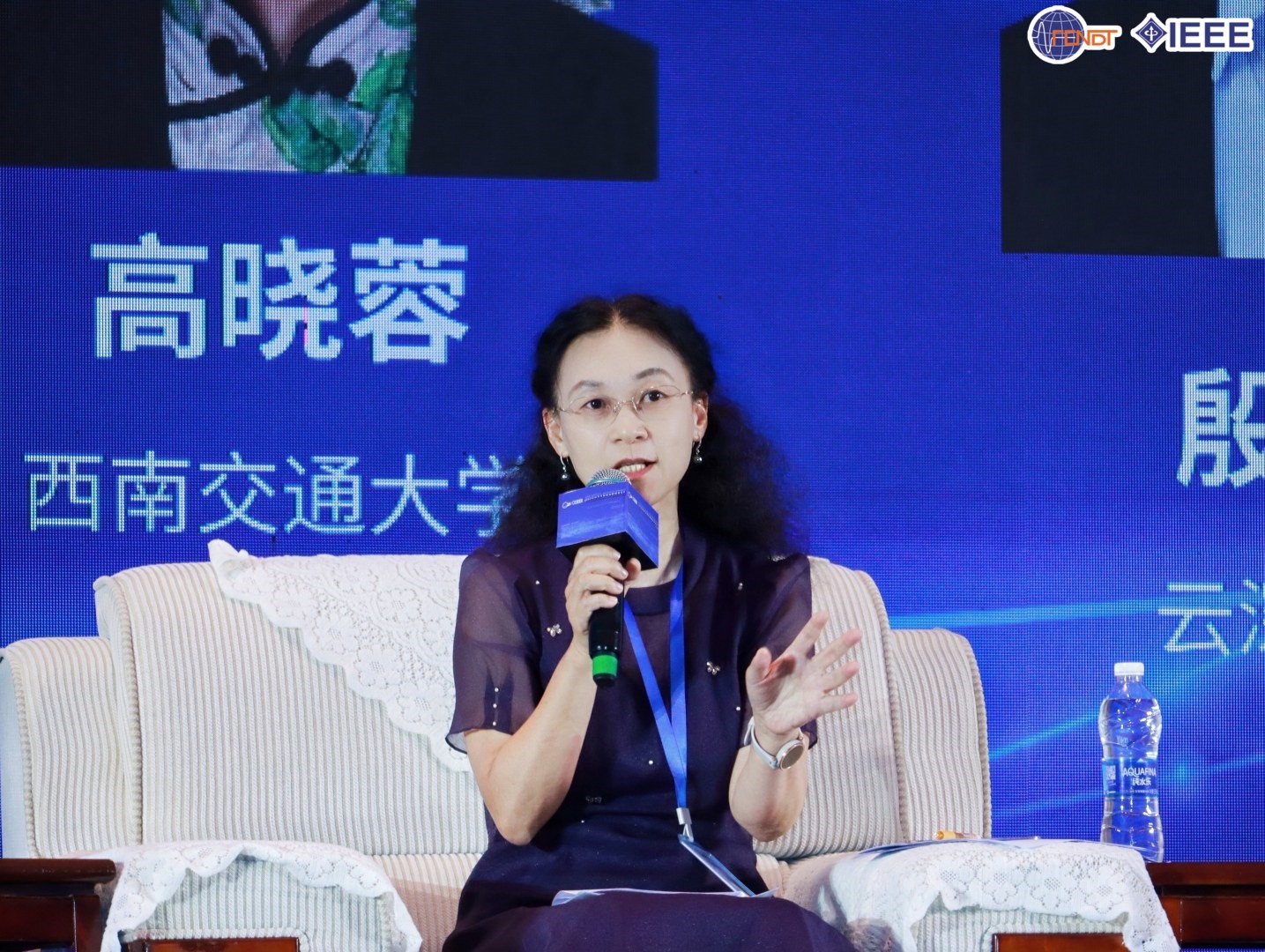
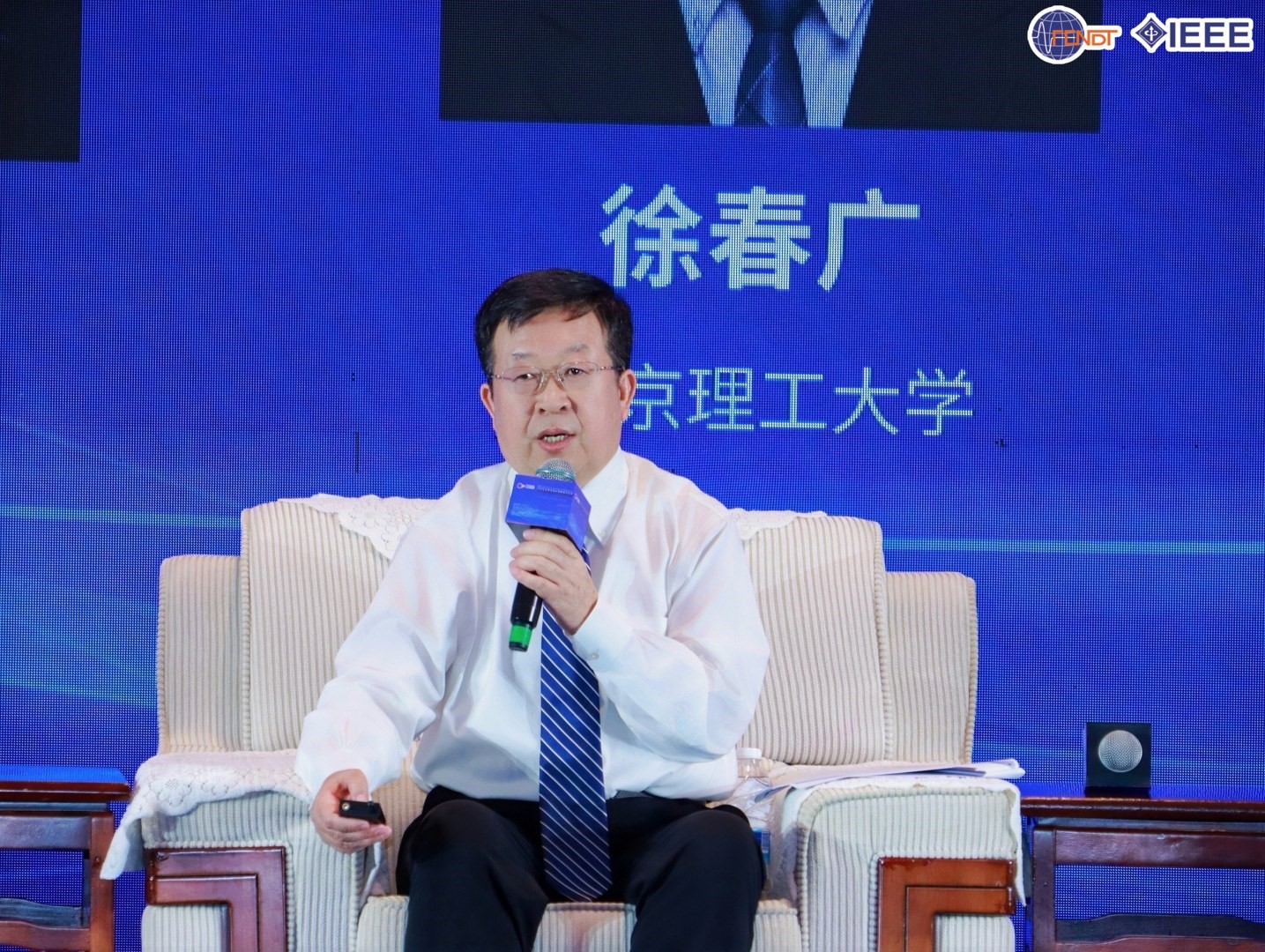
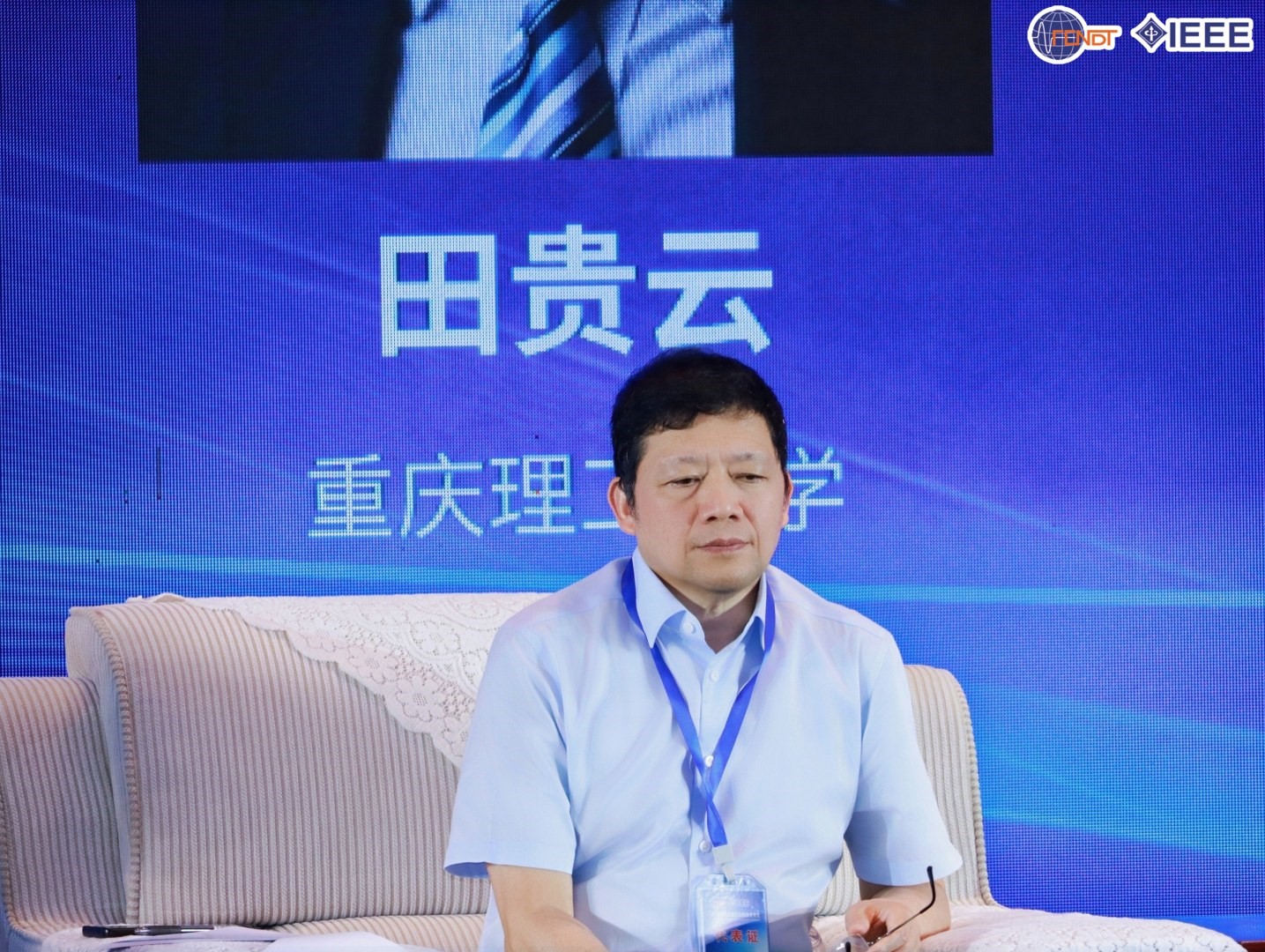
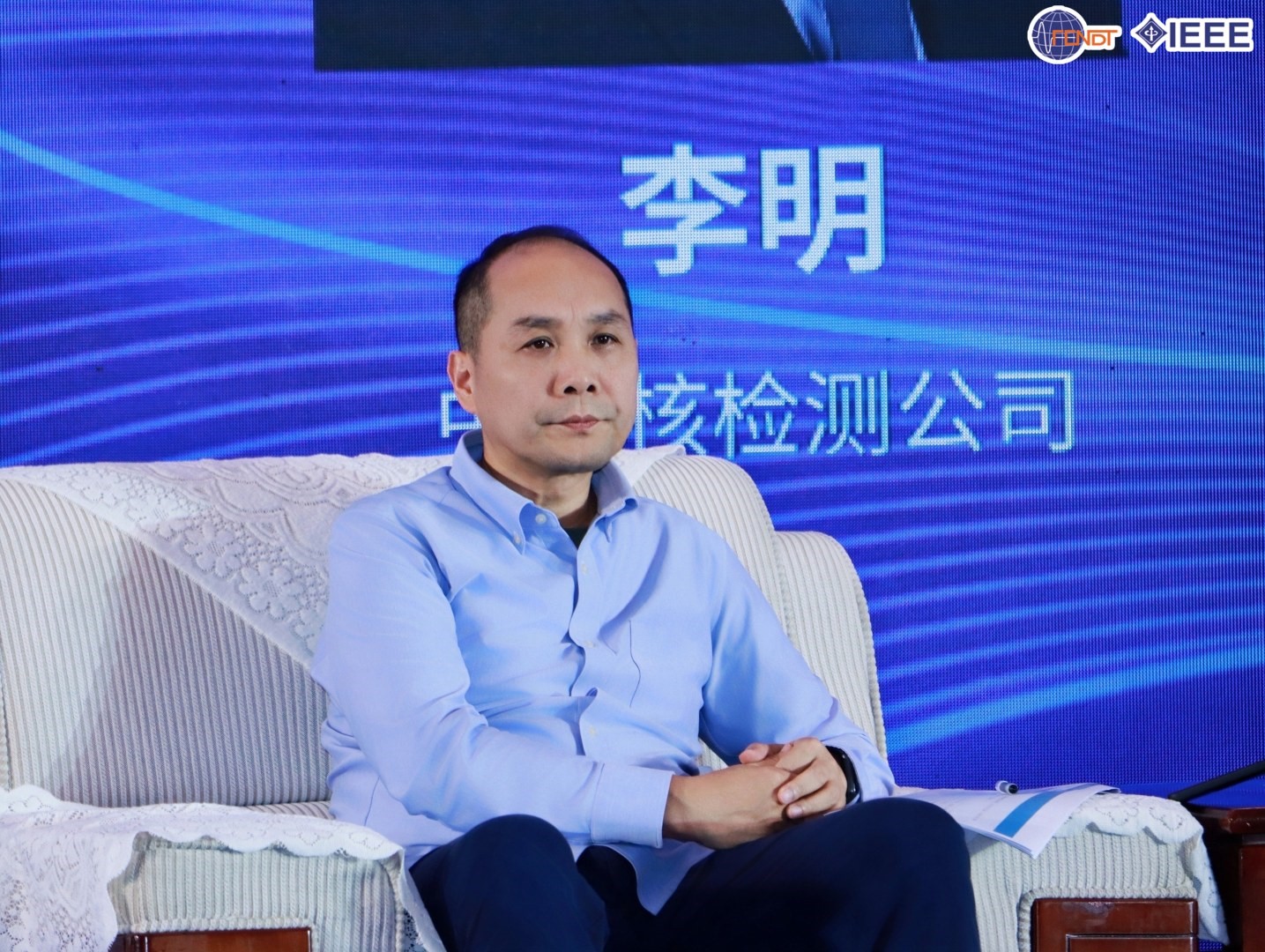
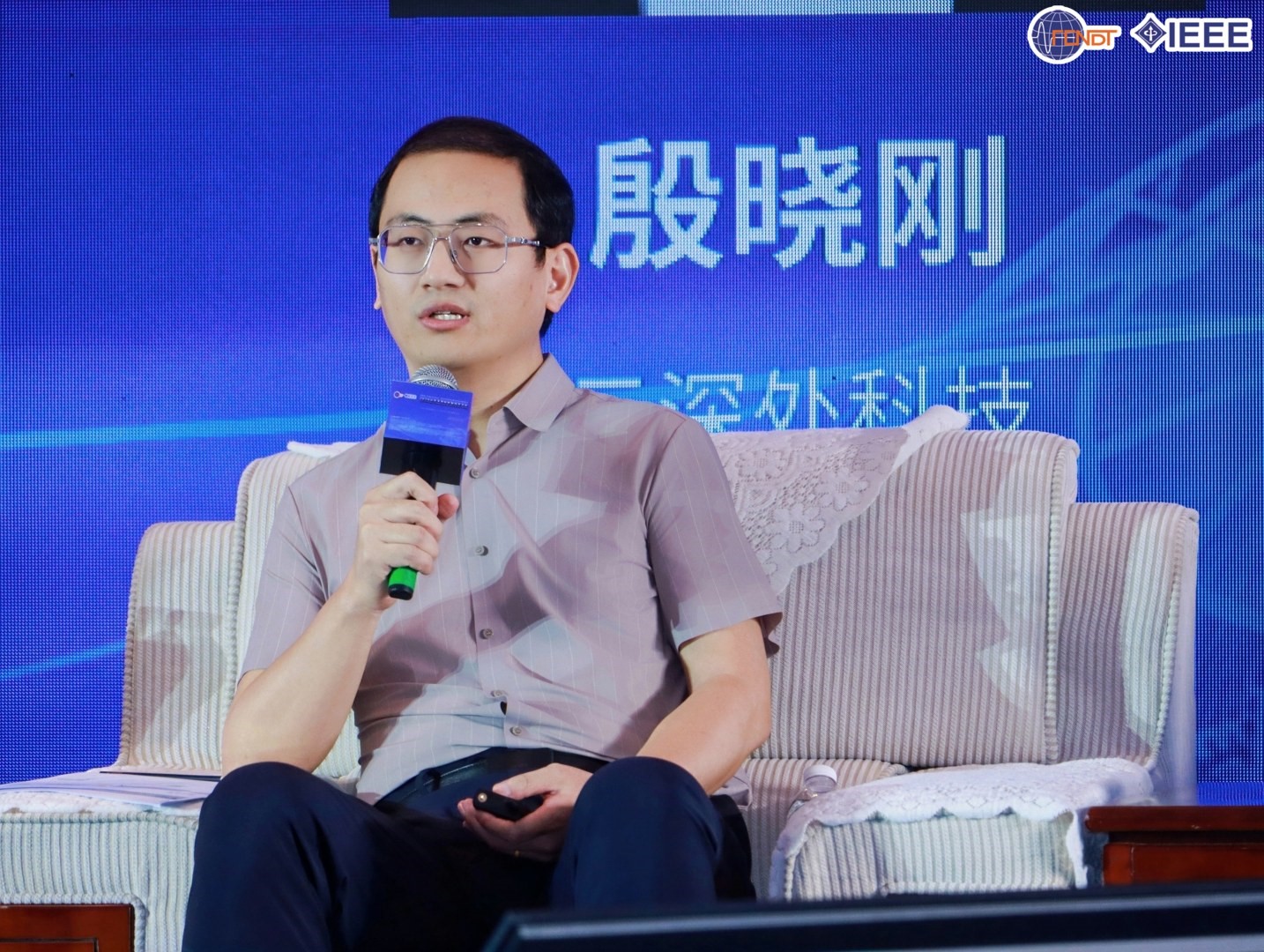
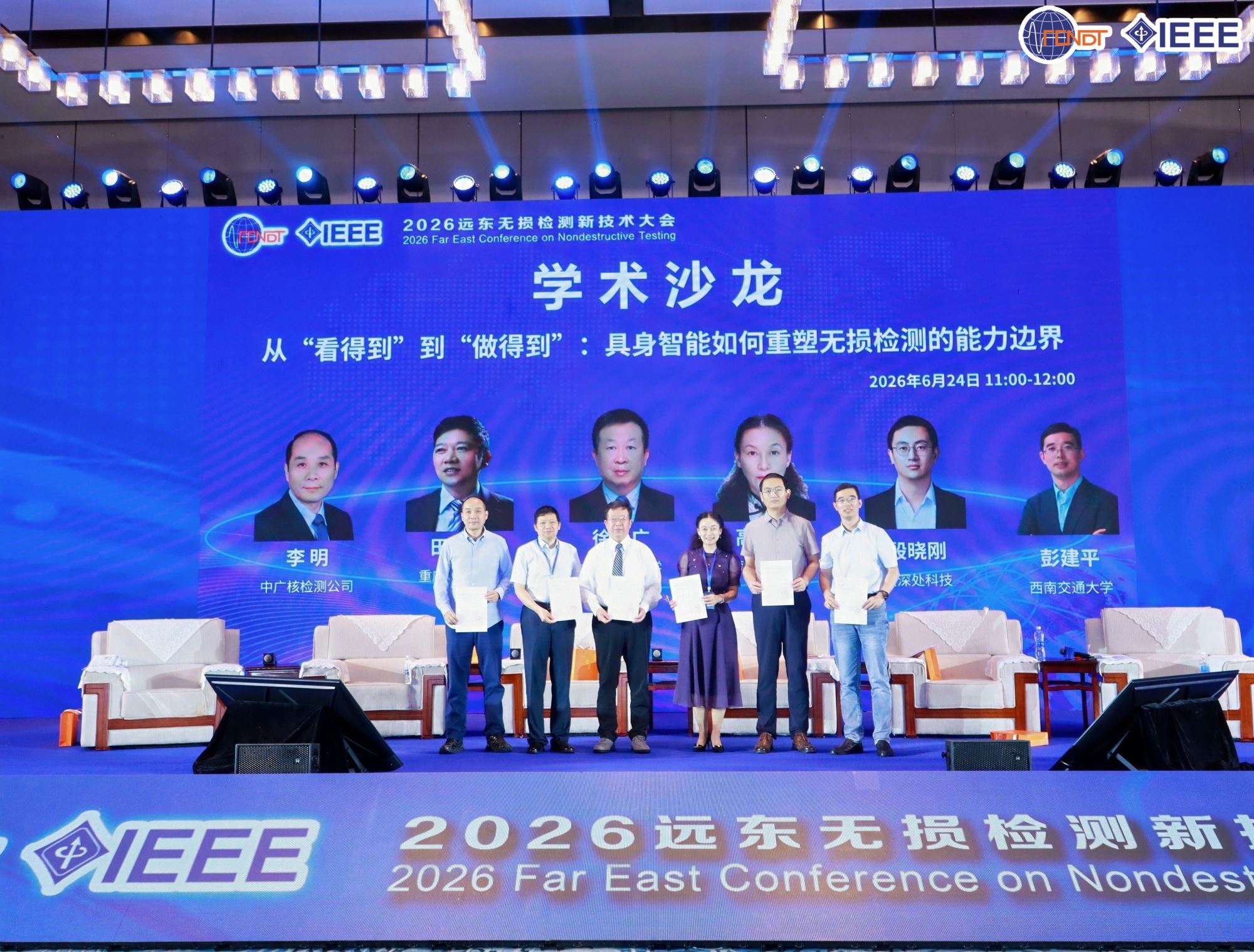
As an innovative signature segment launched three years ago for the 2026 FENDT Forum, the special themed salon has drawn extensive industry attention after continuous refinement and upgrading, evolving into a highly recognizable premium exchange brand of the forum. This year’s salon centered on the cutting-edge direction of intelligent NDT. Invited leading industry experts included Prof. Xu Chunguang from Beijing Institute of Technology, Prof. Tian Guiyun from Chongqing University of Technology, Mr. Li Ming from CGN Inspection Technology Co., Ltd., Prof. Gao Xiaorong from Southwest Jiaotong University, and Mr. Yin Xiaogang from Hangzhou Yunshenchu Technology Co., Ltd. The salon was hosted by Prof. Peng Jianping from Southwest Jiaotong University, with in-depth multi-dimensional discussions themed From Visible Detectability to Practical Execution: How Embodied Intelligence Redefines the Capability Boundaries of Nondestructive Testing.
At the opening of the salon, five distinguished experts reviewed the development status, core industrial pain points and practical application demands of automated and intelligent NDT technologies across application scenarios including nuclear power, rail transit and high-end equipment manufacturing. They comprehensively presented the deployment outcomes and application advantages of intelligent NDT equipment and automated technologies in key industrial sectors.
During the seminar, experts launched thorough discussions around four core boundary dimensions: motion boundary, perception boundary, computing power boundary, and generalization boundary.
- Motion Boundary: Experts agreed that scenarios such as nuclear power and rail transit impose extremely stringent requirements on the safety and operational reliability of inspection robots. Reaching target locations is merely the preliminary step; stable execution of inspection tasks remains the core objective.
- Perception Boundary: Complex operating conditions in high-end manufacturing and pipeline inspection bring new challenges to environmental comprehension and autonomous path planning of inspection systems. Embodied intelligence is expected to transform NDT from passive detection to active perception and intelligent decision-making.
- Computing Power Boundary: Shifting cloud-based AI diagnostic capacity to edge-side devices creates practical bottlenecks including insufficient computing resources and the trade-off between computational capacity and energy consumption, restricting deployment of embodied intelligence in confined spaces.
- Generalization Boundary: Experts raised concerns regarding cross-scenario transferability and adaptability to diverse inspection objects, and called for accelerated formulation of unified industrial evaluation standards for inspection robots. Mr. Yin Xiaogang responded from the robotics industry perspective multiple times, objectively analyzing current technical progress and follow-up development directions across the four boundary dimensions.
After rounds of in-depth deliberation, all experts reached a consensus: the industry demand for embodied intelligence in NDT stems from rigid practical requirements of complex frontline operating conditions, rather than blind pursuit of trendy technical concepts. From industrial manufacturing, rail transit inspection and pipeline maintenance to high-safety-level nuclear power facilities, future NDT technologies shall consolidate foundational capabilities of defect visualization and quantitative identification while breaking through technical bottlenecks to realize complete full-industry-chain upgrading covering precise perception, efficient on-site deployment and safe & reliable operation — achieving practical performance of accessible deployment, stable adhesion, precise scanning and repeatable inspection. Meanwhile, experts agreed that the industrialization roadmap for embodied intelligence-enabled NDT should avoid all-at-once full-scale rollout, and prioritize breakthroughs in scenarios characterized by high pain points, high application value, verifiable performance and clear accountability.
The interactive session of the salon featured heated exchanges. Attendees raised active questions based on real operational challenges, expanding the depth and breadth of discussions and further highlighting the salon’s industrial reference value and practical guiding significance.
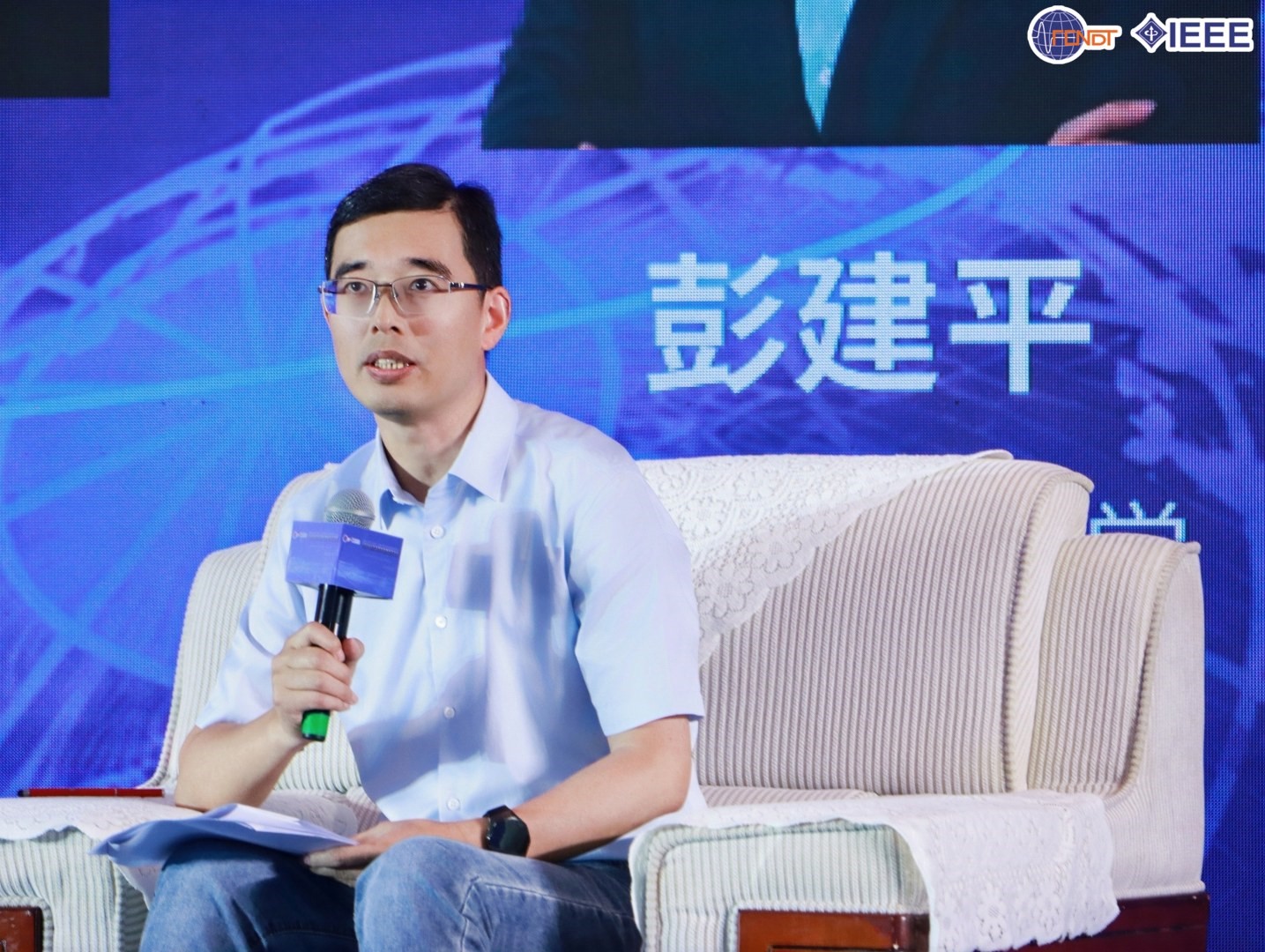
The full series of academic presentations and featured themed salon of the 2026 FENDT Forum concluded successfully. Domestic and overseas experts conducted in-depth discussions on cutting-edge NDT theories, multi-scenario applications and intelligent transformation, generating abundant innovative insights and practical technical solutions. These academic activities effectively eliminated barriers for industry-university-research exchanges and clarified the development roadmap for intelligent upgrading of the NDT sector. Moving forward, all industry participants will build upon the exchange outcomes of this forum to jointly tackle technical challenges, accelerate the domestication and large-scale deployment of advanced NDT technologies, and steadily enhance the safety assurance capacity of high-end equipment and critical infrastructure.